Kill Blue Volume 7 Review: Middle School Comedy Meets Hitman Action
Anúncios
Kill Blue Volume 7 Review explores how the manga combines middle school comedy, professional assassin action, and emotional storytelling. Discover what makes its three-part formula engaging, from character relationships to visual pacing and the challenges of living a double life.
This Kill Blue Volume 7 Review examines how the series continues blending ordinary school experiences with the extraordinary circumstances of a former professional assassin.
The contrast between classroom comedy and dangerous encounters gives the manga its distinctive personality. Character relationships add emotional weight to an otherwise unusual premise.
Understanding how these elements work together helps explain the series' appeal. This review explores its storytelling, character development, artwork, and place within modern shonen manga.
Dissecting the Unique Genre Blend in Kill Blue Volume 7
Kill Blue stands apart from many conventional action series by combining middle school life with the experiences of a skilled assassin. This contrast creates opportunities for humor and suspense.
Volume 7 continues exploring the differences between everyday school problems and the protagonist's dangerous background. The unusual combination gives familiar situations unexpected consequences.
Rather than treating comedy and action as unrelated attractions, the manga connects them through its central character. His circumstances provide the foundation for both genres.
Why the Genre Combination Works
The appeal of Kill Blue comes from placing an experienced professional in an environment filled with ordinary adolescent concerns. His unusual perspective transforms familiar situations.
School assignments, friendships, and social expectations become more entertaining when viewed through the experiences of someone accustomed to dangerous professional responsibilities.
This contrast creates a distinctive identity within the broader shonen manga landscape. The story combines recognizable themes with an unconventional approach to characterization.
The Contrast Between School Life and Assassin Action
School-based comedy depends on everyday misunderstandings and the protagonist's difficulty adjusting to unfamiliar expectations. These situations provide relief from the story's more serious elements.
Action sequences introduce another side of his personality, emphasizing experience and professional instincts. The contrast reminds readers that his ordinary appearance conceals extraordinary abilities.
Both aspects strengthen the central premise because they constantly influence one another. The protagonist cannot completely separate his past from his present circumstances.
Evolving Character Dynamics and Relationships
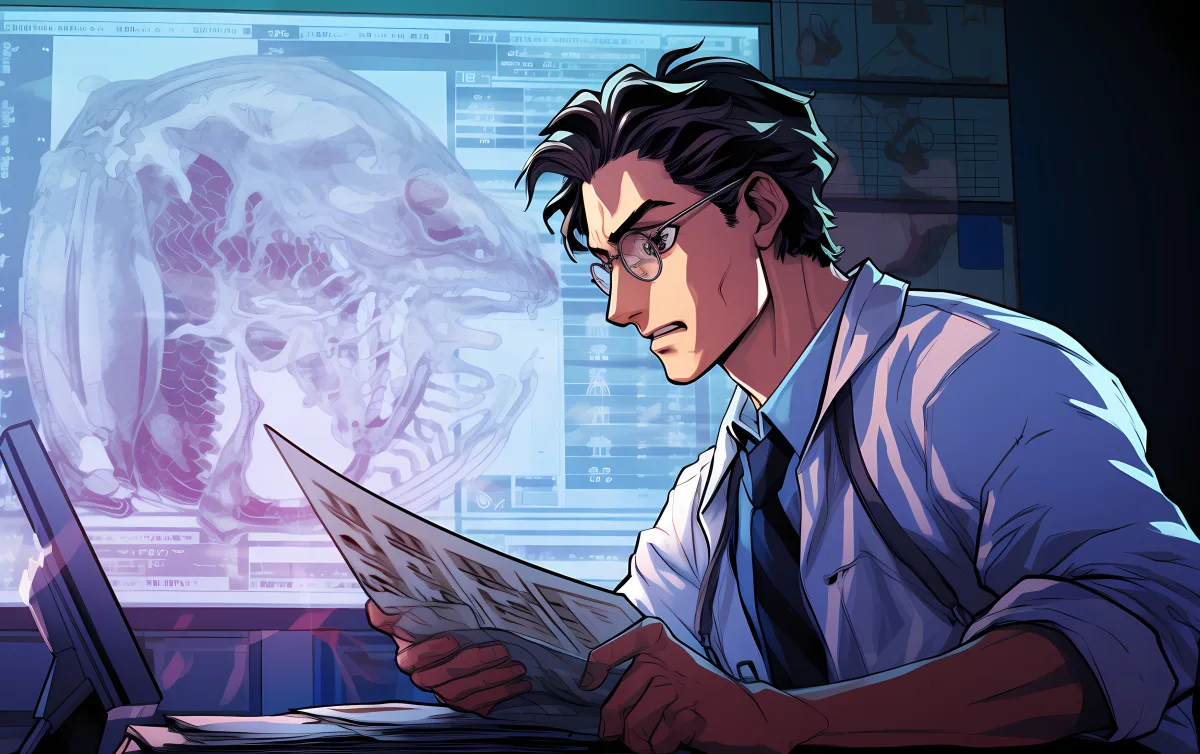
Character relationships are important to the development of Kill Blue because they provide emotional consequences for the protagonist's unusual situation. His classmates represent unfamiliar experiences.
Interactions with supporting characters create opportunities for misunderstandings, cooperation, and personal reflection. These relationships make the school environment more than a setting for jokes.
As readers follow these connections, the contrast between his former identity and current responsibilities becomes clearer. Friendship introduces challenges that professional experience cannot automatically solve.
The Three-Tier Formula: Comedy, Action, and Emotional Depth
The central formula explored in this Kill Blue Volume 7 Review combines three storytelling elements: school comedy, assassin action, and emotional character development.
Each component contributes something different to the reading experience. Humor creates accessibility, action builds excitement, and emotional moments provide greater meaning to the conflicts.
The combination works because the protagonist participates in all three dimensions. His changing circumstances connect otherwise contrasting elements into a recognizable narrative identity.
First Tier: Middle School Comedy
The comedy frequently emerges from situations that would seem ordinary to actual students. For the protagonist, however, these familiar experiences require an entirely different adjustment.
His professional background makes everyday interactions more complicated, creating opportunities for exaggerated reactions and unexpected misunderstandings. This contrast supports the manga's playful tone.
School humor also allows supporting characters to influence the story without constantly relying on dangerous encounters. Their personalities contribute variety to the overall experience.
Second Tier: Professional Assassin Action
Action provides a sharp contrast to the lighter school environment, reminding readers of the protagonist's extraordinary past. His abilities remain central to the premise.
Dangerous situations create moments when his experience becomes relevant, introducing tension into an otherwise comedic narrative. These sequences provide changes in pace and atmosphere.
The action also reinforces the conflict between his former responsibilities and present life. His exceptional skills cannot completely resolve the personal challenges surrounding him.
Third Tier: Emotional Development
Emotional storytelling gives the series depth beyond its unusual premise. Questions about personal identity and belonging become increasingly relevant through the protagonist's experiences.
His relationships introduce opportunities to reconsider familiar priorities and responsibilities. These moments help readers understand why ordinary school life carries personal significance.
By connecting emotional development with comedy and action, Kill Blue builds a more complete narrative. The protagonist becomes interesting for more than professional abilities.
Narrative Progression and Pacing in Volume 7
The pacing of Kill Blue depends on transitions between different kinds of scenes. School interactions establish character relationships, while action introduces immediate challenges.
These changes help maintain variety throughout the story, preventing either element from defining the entire reading experience. Emotional moments provide additional opportunities for reflection.
In Kill Blue Volume 7, this combination remains essential to the series' identity. The progression of its central conflicts encourages interest in subsequent developments.
Balancing Lighthearted and Serious Moments
Successful tonal transitions require readers to understand why the story moves between comedy and danger. The protagonist's double life creates a natural explanation.
Humorous scenes offer contrast before more serious situations, while action can change the meaning of earlier interactions. This relationship helps connect different narrative moods.
Emotional moments become more effective when they emerge from established relationships. They give familiar characters greater significance beyond their immediate comedic or dramatic roles.
How Suspense Supports the Story
Suspense in Kill Blue often comes from uncertainty about how the protagonist will manage conflicting responsibilities. His extraordinary abilities do not eliminate every complication.
Maintaining a convincing school identity creates ongoing tension because unexpected circumstances can expose differences between his appearance and professional background.
These pressures allow ordinary scenes to carry additional meaning. Readers understand that everyday decisions can affect relationships and the wider direction of the story.
Building Interest in Future Developments
Ongoing character questions create opportunities for future storytelling without requiring constant action. The protagonist's past continues influencing his attempts to experience ordinary life.
New challenges can test his developing relationships and his ability to maintain separate identities. These possibilities support longer narrative arcs within the series.
The manga's broader appeal depends on developing these conflicts while preserving its distinctive humor. Maintaining that balance remains important for future installments.
Art Style and Visual Storytelling in Volume 7
Visual storytelling plays an important role in distinguishing the manga's contrasting tones. Character expressions and panel composition help communicate humor, movement, and tension.
School scenes benefit from expressive reactions that emphasize awkward situations, while action requires clear visual movement. These different demands give the artwork considerable responsibility.
The artistic approach supports the storytelling by making tonal changes recognizable. This relationship between narrative and illustration is especially important in an action-comedy series.
Character Expressions and Comedic Timing
Facial expressions can communicate a character's reaction before dialogue explains the situation. This visual immediacy is particularly valuable for humor built around misunderstandings.
Exaggerated reactions contrast with more restrained expressions, creating opportunities for comedic timing. The protagonist's unusual circumstances make these differences especially noticeable.
Visual humor also helps secondary characters establish recognizable personalities. Their expressions contribute to the atmosphere and strengthen interactions throughout the school environment.
Action Sequences and Panel Composition
Action-focused manga relies on readable movement, effective panel transitions, and clear visual relationships between characters. These techniques help readers follow rapidly changing situations.
Different panel sizes can influence the perceived rhythm of a scene, emphasizing important movements or creating moments of anticipation before a confrontation.
Within the broader development of shonen manga art, these methods demonstrate how visual structure can support action without depending entirely on dialogue.
Impact of Visuals on Tonal Shifts
Comedy and action require different visual rhythms, making artistic transitions important to the reading experience. Exaggerated expressions can quickly establish a lighter mood.
More focused compositions help communicate danger or concentration during confrontations. These changes guide readers without requiring lengthy explanations about the story's atmosphere.
When used consistently, visual contrasts make the combination of genres easier to follow. The artwork becomes a practical storytelling tool rather than decoration.
Themes Explored: Identity, Secrecy, and Belonging
Beyond its comedic premise, Kill Blue examines how personal identity changes under unusual circumstances. The protagonist must reconcile established habits with unfamiliar expectations.
Living between two different worlds creates tension because his experiences do not fit neatly into either environment. This struggle provides opportunities for character development.
Identity, secrecy, and belonging therefore offer a meaningful foundation for the story. These themes connect the action-oriented premise with recognizable human experiences.
The Conflict Between Two Identities
The protagonist's former professional identity influences his behavior even when he attempts to participate in ordinary school activities. Experience shapes how he interprets situations.
At the same time, his new environment introduces responsibilities that require unfamiliar skills. Social relationships cannot always be managed through professional discipline.
This contrast creates a continuing question about personal change. The manga explores whether someone defined by a dangerous past can develop a different future.
The Emotional Cost of Keeping Secrets
Secrecy creates immediate opportunities for comedy because ordinary conversations can become complicated. The protagonist must consider how much of his experience he can reveal.
However, hidden information also creates emotional distance between people. Relationships become more complicated when one person cannot openly explain important parts of their life.
This tension adds another dimension to the series' humor. Situations that seem amusing on the surface can carry more serious implications for character relationships.
Friendship and the Desire to Belong
School friendships offer the protagonist experiences that differ from his professional background. These relationships create opportunities for cooperation, trust, and everyday emotional connection.
Belonging becomes important because it represents something his previous lifestyle may not have provided in the same way. Ordinary interactions gain unexpected value.
This theme helps make the central premise relatable despite its fantastic circumstances. Readers can recognize the universal desire to find acceptance and meaningful relationships.
Societal Commentary and Subtext in Kill Blue
Kill Blue can also be read as a playful examination of social expectations and personal development. Its unusual protagonist creates a distinctive perspective on adolescence.
School environments involve shared rules, changing friendships, and expectations about appropriate behavior. These concerns become more visible when an outsider experiences them unexpectedly.
The manga's comedy creates space to explore these ideas without abandoning entertainment. Its fictional premise allows familiar social situations to appear from unusual angles.
School Life Through an Outsider's Perspective
Everyday school routines can seem unfamiliar to someone accustomed to an entirely different environment. This difference allows the story to reconsider ordinary adolescent expectations.
Friendship, classroom behavior, and social misunderstandings become important because the protagonist lacks a conventional relationship with these experiences.
His perspective creates humor while encouraging readers to notice overlooked details. Situations normally treated as routine become meaningful parts of personal development.
Redemption and the Possibility of Change
Stories about characters with difficult pasts often explore whether personal growth remains possible. Kill Blue approaches this question through its unconventional school setting.
The protagonist's circumstances create opportunities to experience relationships and responsibilities beyond his former profession. This contrast supports a broader theme of transformation.
Rather than erasing his past, the narrative considers how previous experiences affect present choices. Personal change becomes an ongoing process rather than an immediate solution.
Why Kill Blue Volume 7 Resonates with Readers
Kill Blue Volume 7 Review highlights the distinctive appeal of a manga that refuses to remain within one conventional genre. Its central premise supports varied storytelling.
Readers interested in action can appreciate the protagonist's unusual abilities, while comedy enthusiasts may enjoy his difficulties navigating everyday situations.
The emotional themes provide another reason to follow the series. Its character relationships help connect entertaining situations with broader questions about identity and belonging.
A Different Approach to Shonen Storytelling
Many popular shonen stories focus on training, competition, or increasingly powerful opponents. Kill Blue introduces a protagonist whose existing experience creates different narrative challenges.
Instead of centering every conflict on becoming stronger, the story can focus on adapting to unfamiliar responsibilities. This produces a distinctive balance of humor and action.
Readers exploring shonen manga recommendations may find this genre combination appealing, particularly when seeking unconventional character dynamics and storytelling.
Why the Supporting Cast Matters
Supporting characters establish the ordinary environment that contrasts with the protagonist's exceptional background. Their personalities help turn the school setting into a meaningful community.
Different reactions to his behavior provide opportunities for comedy, while shared experiences allow relationships to become more developed over time.
The cast also prevents the narrative from depending entirely on action. Everyday interactions create variety and give emotional consequences to the protagonist's decisions.
Future Prospects and Anticipated Developments
The protagonist's unusual past provides opportunities for further complications as the story develops. Future conflicts could challenge the balance between his identities.
His school relationships also offer potential for continued emotional development. Changes in trust and personal responsibility may influence later storylines.
These possibilities remain expectations rather than confirmed developments. The series' future appeal will depend on how effectively it continues combining comedy, action, and characterization.
Kill Blue Volume 7 Review: Key Takeaways
Kill Blue builds its identity around a contrast between school comedy and professional assassin action. Emotional character development connects these different storytelling elements.
Its visual approach helps communicate changes in tone, while relationships give the protagonist reasons to reconsider his circumstances. Both elements contribute to narrative continuity.
The following table summarizes the main areas examined in this Kill Blue Volume 7 Review, highlighting why the series offers an unconventional shonen experience.
Key Aspect | Description |
|---|---|
Genre Blend | Combines middle school comedy with the unusual experiences and dangers of professional assassin life. |
Character Development | Explores the protagonist's contrasting identities and the importance of developing school relationships. |
Narrative Pacing | Uses transitions between humorous situations, action, and emotional moments to maintain variety. |
Art Style | Relies on expressive characters and visual composition to communicate humor, movement, and tension. |
Frequently Asked Questions About Kill Blue Volume 7
What makes Kill Blue Volume 7 stand out among shonen manga?
Kill Blue Volume 7 stands out through its combination of middle school comedy, assassin action, and personal identity conflicts. Its unusual protagonist allows familiar school experiences to become sources of humor, tension, and emotional development.
How does Volume 7 balance its comedic and action elements?
The story connects humorous school experiences with the protagonist's dangerous professional background. Everyday misunderstandings create lighter moments, while action highlights his exceptional abilities and the complications of maintaining two identities.
Are there significant character developments in this volume?
Character development remains important as the protagonist navigates his unusual circumstances and relationships with classmates. His contrasting experiences provide opportunities to explore friendship, belonging, and the difficulties of keeping personal secrets.
What themes does Kill Blue Volume 7 explore?
The volume explores identity, secrecy, friendship, and the desire for belonging. Its central contrast between professional assassin life and ordinary school experiences provides a foundation for examining personal change and emotional connection.
Is Kill Blue Volume 7 suitable for new readers?
New readers may appreciate the series' unusual premise, but Volume 7 builds on relationships and circumstances established earlier. Starting with previous volumes offers better context for understanding the characters, their development, and ongoing conflicts.
Looking Ahead: The Evolving Narrative of Kill Blue
This Kill Blue Volume 7 Review demonstrates how the manga's distinctive premise supports comedy, action, and meaningful character relationships within the same story.
The protagonist's conflicting identities continue offering opportunities for narrative development. His friendships and unusual responsibilities provide reasons for readers to follow the series.
Ultimately, Kill Blue's strength lies in connecting extraordinary circumstances with recognizable emotions. Maintaining that combination will remain important as its broader story develops.